
kalam
-

The Necessary Being Argument from the Qur’an (Qur’an 30:50)“So look at the effects of Allah’s mercy: how He gives life to the earth after its lifelessness. Indeed, that is the one who gives life to the dead, and He is capable of everything.” This verse is one of the rational reminders that God is the…
-

Introduction: I am writing this in response to Atheists in Turkiye contending against Islam by arguing that if God existed, he would not only send prophets to the Middle Eastern region. My friends were sharing this vile video on social media, and this is how I responded to them Bismillah How do you know that…
-

Mutashabihat in the Qur’an Acknowledgements I appreciate the work of Sayed Ali Hurr Kamunpoori from the Shi’a Reformist group Al-Islaah, it was he who has allowed me to understand this concept properly through his student, my friend Muhammad Qa’im al-Islaahi. I acknowledge the great works of the two giants of Qur’an-Centrism Hamiduddin al-Farahi & Amin…
-

Kalam – Hand of God? Literal or Metaphorical? An analysis of the Qur’anic usage of metaphorical language in relation to the concept of Mutashabihat (ambiguous and/or allegorical verses) related to the subject of God, the Hereafter and Divine actions. The Anthropomorphist doctrine is advocated by the Salafi school, influenced by Ibn Taymiyya and Muhammad b.…
-

“Al-Zamakhsharī cites two examples explaining how a ‘perspicous’ (muḥkam) verse can provide the basis for interpreting an ‘ambiguous’ (mutashābih) verse. He considers that “Looking upon their Lord” (ilā rabbihā nāẓiratun) is an ‘ambiguous’ (mutashābih) verse which can be interpreted by a ‘perspicous’ (muḥkam) verse: “Vision cannot attain Him,” (lā tudrikuhu al-abṣār). Similarly, “We command its…
-

Sunni Doctrine of Shafa’a & Salvation for Evildoers Introduction The doctrine of the Prophet Muhammad’s intercession, mediation and negotiation saving the Muslims on the Day of Judgement is a vital doctrinal belief for the majority of Muslim schools, such as the Ash’aris, Maturidis & Atharis. If this doctrine is textually proven, then surely it is…
-
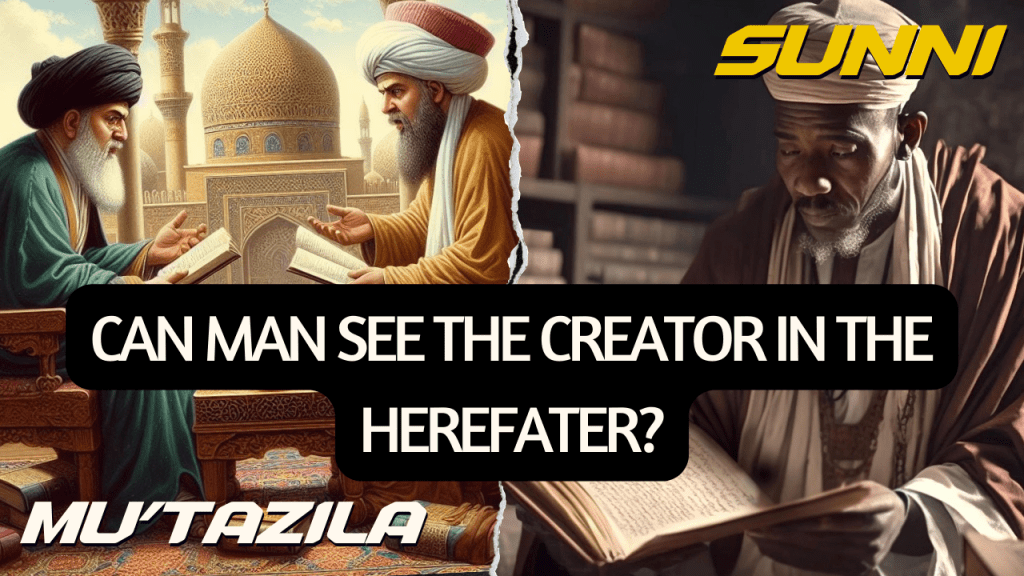
I dedicate this work mainly for the Muslim Ummah who disagree & quarrel over such a vital part of religion & theology. This research presents the varying usage of the Muhkamat (explicit) verses to fully apprehend the concept of mutashabihat (ambiguous/allegorical) verses in relation to metaphysical matters such as God, Divine attributes and the Hereafter…
-

Allah decrees & judges based on truth not randomness Bismillah I have always had an intuitive & rational distance & despise against the general Ash’arite concept of good & evil which is then tied to theories regarding the causes behind God’s commandments, legislations & decree. It is impossible for God’s will & law to be…
-

Categories of Tawhid by Dr Muhammad al-Mass’ari Bismillah (1) Tawhid of Adh-Dhaat (of the self/essence): “Al-Asmaa’ and As-Siffat” (Names and attributes). And there are branches falling under it. (2) Tawhid of Al-Khalq (creation), At-Takwin (Formation) and bringing into being from nothing. (3) Tawhid of At-Tadbir (management) and At-Tassaruf (disposal). (4) Tawhid of Al-Hakimiyah (ruling and…
-

The meaning of “La Ilaha Illallah” (There is no deity other than Allah) It means: That none are deserving to be loved, glorified, sanctified, humbled before, submitted to the command of, obeyed, in respect to that which is from His essence/being in terms of the attributes of perfection, and that which He possesses in terms…
 Tajdeed