
morality
-

Openly standing at war with Allah (the Monarchs), they have sought to amplify these problems as well as mislead the public. All the while acting in private service to their masters, the leaders of kufr and tyrannical oppression; they have brazenly changed the laws of the Sharī’ah, being the enemies of the ‘Awliyā of Allah.…
-
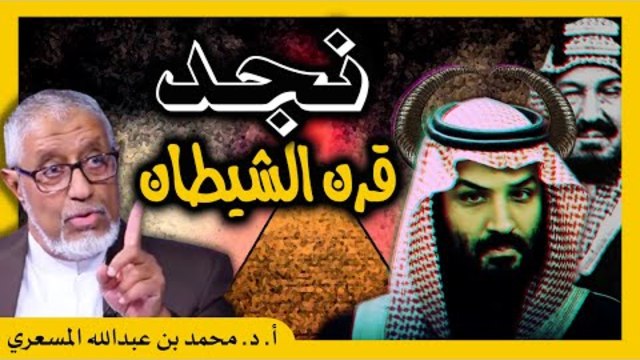
The enemy within: Crimes of the Saudi Family by Dr Muhammad Al-Massari The family of Saud have promoted a fabricated, distorted and mutilated “dead” version of “Tawhid” that has no existence within the practical sphere of life. It revolves around “the dead”, the domed shrines, trees, rocks, sand and graves. They did this in order…
-

Hadith Centrism It’s a clear pre-requisite for a true scholar or faqih to be a master of Hadith and the historical incidents pertaining to the life and stances of the Prophet Muhammad (s). Nevertheless, it is also evident that Hadith-centrism and Rijal-centrism and an excessive focus on the concept of sahih sanad (chains of transmission)…
-
Usul al-Fiqh: When Khabar Wahid contradicts the common practice – Usul al-Shashi (Hanafi principles) “Based upon this (that the conditions of narrators vary) we say that if Khabar Wahid contradicts the apparent it will not be practiced upon. An example of Khabar Wahid contradicting the apparent is when it is not the common practice of…
-

Theology: Free-will & Destiny – What is the destiny of the baby who dies in this world? There is a famous debate narrated between Abu’l Hasan al-Ash`ari and his teacher Abu ‘Ali al-Jubbaa’i: Abu’l Hasan al-Ash`ari who until this point had been from the Mu`tazilah) said to his ustadh, Abu `Ali al-Jubbaa’i: “What do you…
-

The Section on Describing Hypocrisy and the Evidence that Every Disobedient Person is a Hypocrite Answered by Imam Nasir al-Utroush – Zaydi Imam Bismillah “Know, may Allāh guide you that whoever disobeys Allāh with a major sin, and insists upon that then his doing so is indicative of his lack of certainty regarding the promise…
-

How did Ali b. Abi Talib react to getting threatened and insulted during his leadership? Al-Shaybani narrated that Kuthayyir al-Hadrami heard a group of people cursing and insulting Ali b. Abi Talib. One of them said “I swear by Allah that I must kill Ali”. When Kuthayyir heard him, he caught him and then took…
-

Sunni view: وَلَا نَرَى الْخُرُوجَ عَلَى أَئِمَّتِنَا وَوُلَاةِ أُمُورِنَا وَإِنْ جَارُوا وَلَا نَدْعُو عَلَيْهِمْ وَلَا نَنْزِعُ يَدًا مِنْ طَاعَتِهِمْ وَنَرَى طَاعَتَهُمْ مِنْ طَاعَةِ اللَّهِ عَزَّ وَجَلَّ فَرِيضَةً مَا لَمْ يَأْمُرُوا بِمَعْصِيَةٍ وَنَدْعُو لَهُمْ بِالصَّلَاحِ وَالْمُعَافَاةِ “We do not rebel against our leaders or those in charge of our affairs, even if they are tyrannical. We…
-

Major Theological difference between Twelver/Sunni Muslims and Zaydi Muslims – Intercession The general Sunni view: Anas reported: The Messenger of Allah, peace and blessings be upon him, said, “My intercession is for the people of major sins among my nation.” Reference: Sunan al-Tirmidhī 2435 Both Twelver Shi’a and Sunnis believe that a major sinner can…
-

Zaydi Usul: Chapter on Afflictions – by Imam Muhammad b. Yahya (a.s) ‘It is also obligatory for every rational person among the people of Islam, when severe calamities befall themselves or their children, to have good expectations regarding Allāh. Whatever trials and afflictions have come before from Allāh, one should consider them with proper reflection…
 Tajdeed